
Commercial
Restaurant Wall Cladding
Restaurant walls take a beating and get photographed constantly. These are the finishes that survive both.
A restaurant wall has two jobs that pull in opposite directions. It has to photograph well enough that people post it, and it has to survive being scrubbed twice a week for five years. Miami Stone Veneer Specialists supplies into a lot of Miami hospitality, and that tension drives most of the decisions.
The acoustic argument nobody makes
Miami restaurants are loud. Hard floors, hard ceilings, glass, and flat plaster walls — every surface returns sound straight back into the room.
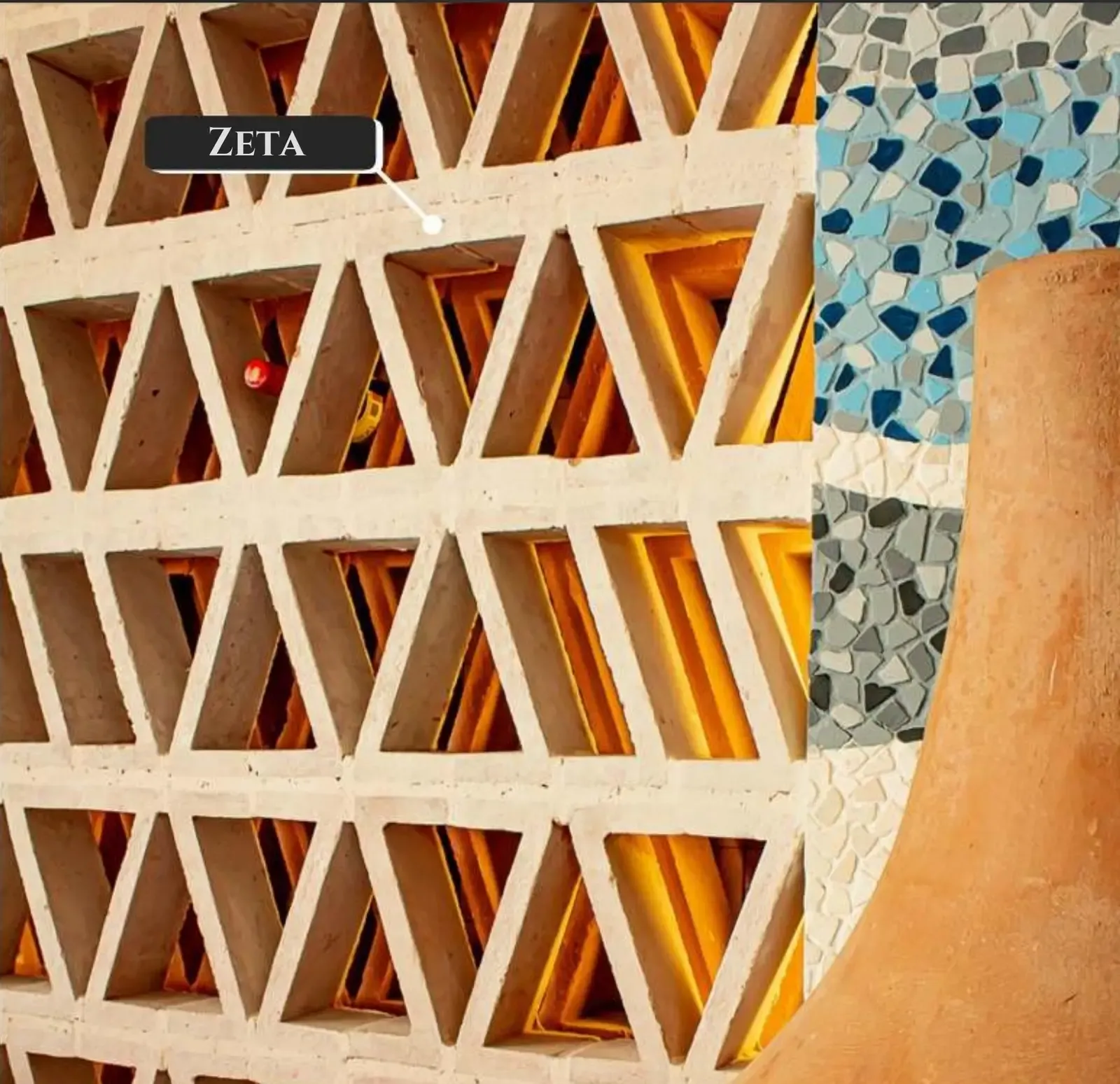
A deep-relief panel or a lattice screen breaks that up. The geometry scatters reflections rather than bouncing them, and the difference in a busy dining room is noticeable. It's not a substitute for proper acoustic treatment, but it's the rare finish decision that improves how a room sounds instead of making it worse. Lattice room dividers do this while also solving sightlines between sections.
Height zones
- Below 36 inches. Chair backs, feet, bus carts, mops. Use a shallow, hard profile or protect it with a rail. Deep rustic stone at banquette height gets chipped.
- 36 inches to eye level. The zone that gets photographed. Spend here.
- Above eye level. Nobody touches it. Deep relief, dramatic lighting, whatever you like.
Sealing and the cleaning crew
Seal everything before opening. Then tell the cleaning contractor what they're allowed to use, in writing, and put it in the operations manual.
Left to their own devices a crew will hit a stone wall with degreaser or an acidic tile cleaner, because that's what works on everything else in the building. Two years of that strips the sealer and etches the face. It's the most common way a good restaurant wall dies, and it's entirely preventable with one conversation.
What it costs
Material $12 to $26 per square foot depending on whether you're using stone or relief panels. A typical dining room feature wall of 200 to 400 square feet runs $2,400 to $10,000 in material. Volume pricing applies on fit-outs and multi-site rollouts.
Products specified for this
Rustic Stone
Deep relief and heavy texture for elevations that need weight. Six-size ashlar mixes through to 24-inch quarried panels.
View details →Chapa
Random flagstone without the layout headache — Chapa ships as a modular 7-piece sheet that repeats cleanly. Thin brick and four-size Roman opus sit alongside it.
View details →3D Wall Panels
Concrete panels that do the work light usually does. Fifteen relief patterns that tile seamlessly, from barely-there texture to deep architectural shadow.
View details →Concrete Lattices
Breeze block is back, and Miami is where it belongs. Twenty-four patterns that filter sun, move air, and give a wall a shadow that changes all day.
View details →Related applications
Hotel Lobbies
A lobby has about four seconds to say what the property costs. Large-format stone and deep-relief panels are how that gets said.
View details →Retail Stores
Retail fit-outs run on tight programmes. Modular formats a crew can install fast, in repeatable quantities across multiple stores.
View details →Feature Walls
When the wall is the point. Deep-relief panels, lattice screens, and large-format stone specified for maximum effect.
View details →Worth reading first
Stone Veneer Cost in Miami
Material, labour, prep, and sealer — broken out separately so you can see where the money actually goes.
View details →Stone Veneer Maintenance
Ninety percent of stone failures we see trace back to one of four maintenance mistakes. All four are avoidable.
View details →How to Clean Manufactured Stone
Pressure washers and acid wash are the two fastest ways to destroy a good stone wall. Here's what to use instead.
View details →Common questions
Can stone go in a commercial kitchen? +
Not on food-prep surfaces — health code wants smooth, non-porous, and cleanable back there. Front of house is a different question entirely, and that's where stone belongs anyway.
How do you clean a textured wall in a restaurant? +
Sealed stone takes a neutral pH cleaner and a soft brush. What you avoid is degreaser sprayed directly at it and anything acidic. Brief the cleaning crew when the place opens, because they will otherwise use whatever's under the sink.
Does texture cause acoustic problems? +
It helps, actually. Hard flat surfaces are what make restaurants unbearably loud. A deep-relief stone or panel wall scatters reflections instead of bouncing them straight back. It's not acoustic treatment, but it's meaningfully better than flat plaster.
What holds up in a high-traffic dining room? +
Anything in our range, structurally. The practical issue is chair backs at banquette height scuffing a soft face. Below about 36 inches use a harder, shallower profile or a rail.
Talk to us about restaurant walls
Samples, take-offs, and pricing for projects across Miami and South Florida.