
Resources
How to Choose Stone Veneer
Most people start with colour. That's the fourth decision, not the first — and starting there is why so many walls end up slightly wrong.
By Miami Stone Veneer Specialists · Updated July 10, 2026
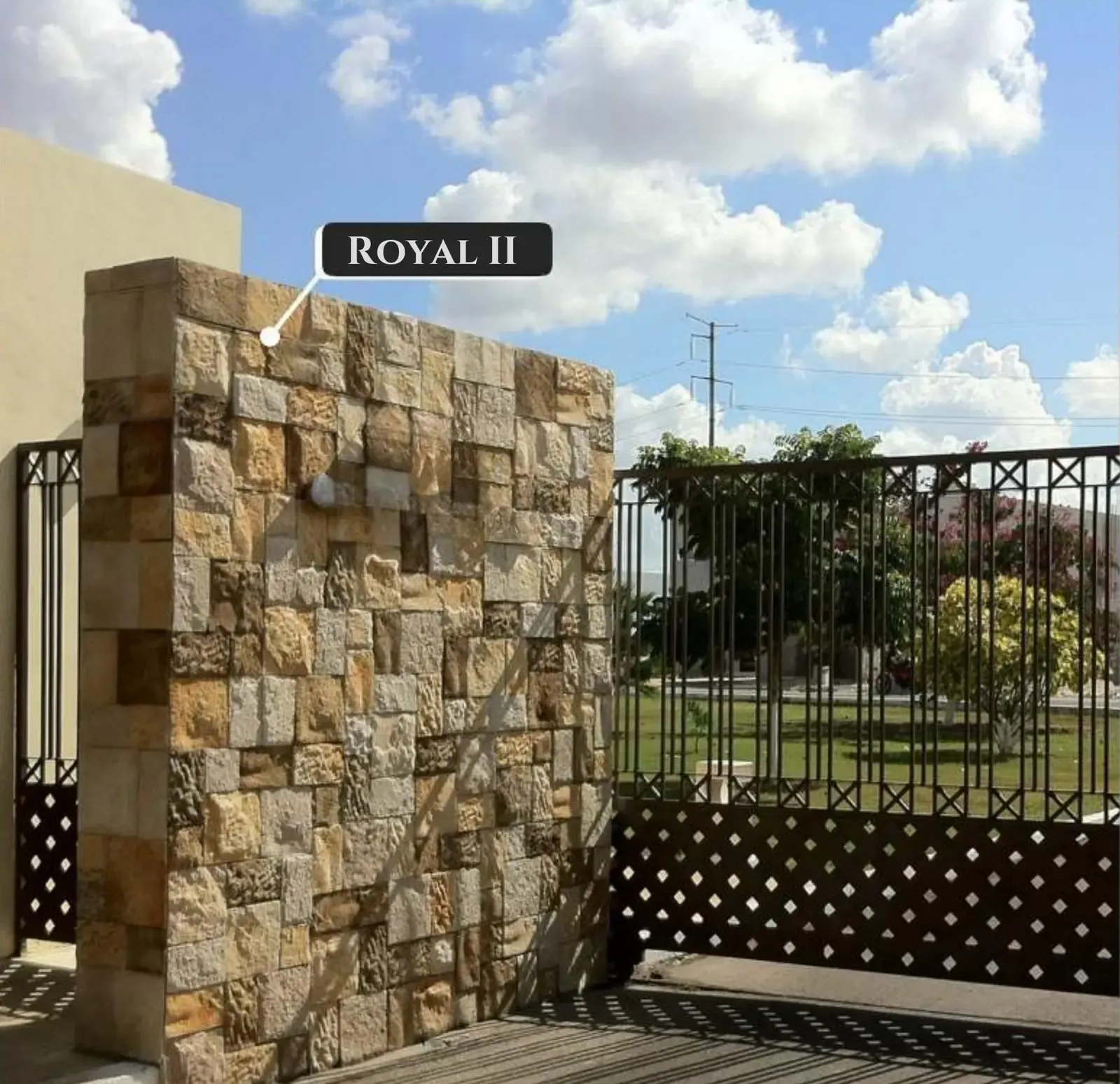
Miami Stone Veneer Specialists watches people do this backwards every week. They fall for a colour, order it, and discover the format is wrong for the wall. Decide in this order instead.
The right order to decide
- Where is it going — the exposure
- How big the wall is — the scale
- Which profile — the actual style decision
- Colour — last
1. Where is it going?
This eliminates most of the range immediately, before style enters the conversation.
- Within a mile of the ocean — pale, shell-toned faces. Dark stone shows salt bloom within a season. See Coastal Stone.
- Pool splash zone — pale again, and plan on sealing every three to four years rather than seven.
- Interior — shallow relief unless the room is large and well lit. Textured stone absorbs a surprising amount of light.
- Inland exterior — the whole range is open to you.
2. How big is the wall?
The rule that matters more than any other: the bigger the wall, the more face formats you need.
Every manufactured stone is cast from a finite set of moulds, so every one repeats. On a 60 square foot fireplace nobody will ever notice. On 2,000 square feet of facade, a collection with three formats will show its pattern and you'll never unsee it.
Over 400 square feet, choose a collection with six or more formats — or plan to band two collections together, which looks deliberate rather than indecisive.
Scale also works the other way. A 15¾-inch format on a 36-inch outdoor kitchen island gives you two courses and looks oversized. Small surfaces want small formats.
3. Which profile?
This is the real style decision, and there are broadly four:
- Tight horizontal coursing — modern, calm, recedes. Stacked Stone.
- Random rough ashlar — traditional, heavy, textured. Rustic Stone.
- Irregular flagstone — organic, natural, good near water. Chapa.
- Geometric squares — architectural, contemporary. Galarza.
4. Then colour
By now you have maybe three candidates, and colour picks between them.
One rule: match hard or contrast hard. A near-match against your existing stucco — warm cream against slightly different warm cream — reads as an error. Your eye catches the discrepancy without identifying it. Either colour-match exactly or contrast deliberately.
How to judge a sample
- Get full-size pieces, not chips.
- Put them against the actual wall, not on a table.
- Look in morning light and again at 4pm. Colour shifts substantially.
- Step back thirty feet. That's where people will see it from.
- Lay several pieces together to judge the repeat, not one in isolation.
Samples ship free across South Florida. Tell us the wall and we'll send a shortlist rather than the whole range.