
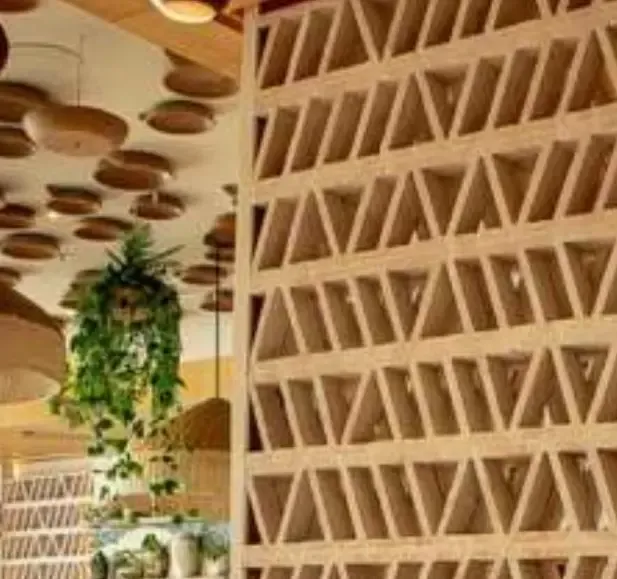
Zeta
Z-profile that interlocks into a diagonal screen.
- Face sizes
-
- 9 13⁄16" × 3 15⁄16"
- Thickness
- 3 15⁄16"
Architectural Concrete
Twenty-four patterns that filter sun, move air, and give a wall a shadow that changes all day.
Breeze block never really left South Florida, it just went out of fashion for thirty years. Miami Stone Veneer Specialists stocks twenty-four patterns because it came back hard, and because it solves a real problem here rather than just looking good.
Before air conditioning was universal, Miami buildings had to shed heat and move air while keeping sun off glass. Breeze block did all three at once, and the physics haven't changed. A lattice screen in front of a west window cuts the afternoon solar load while letting the breeze through — something a solid wall or a blind can't do.
The privacy works the same way. Straight on, you see through it. From an angle — which is how anyone walking or driving past actually sees your courtyard — 3⅛ inches of block depth closes the view almost completely. It's privacy that doesn't feel like a fence.
Lattice is masonry, not cladding, and that changes things. Blocks are laid with mortar on a proper footing. Anything over about six feet tall needs vertical reinforcement running through the voids and grouted, plus a bond beam at the top. In a hurricane zone that isn't optional and your building department will ask.
Get an engineer on a freestanding screen wall. It's a small cost against a wall that has to stand up in a Category 3.
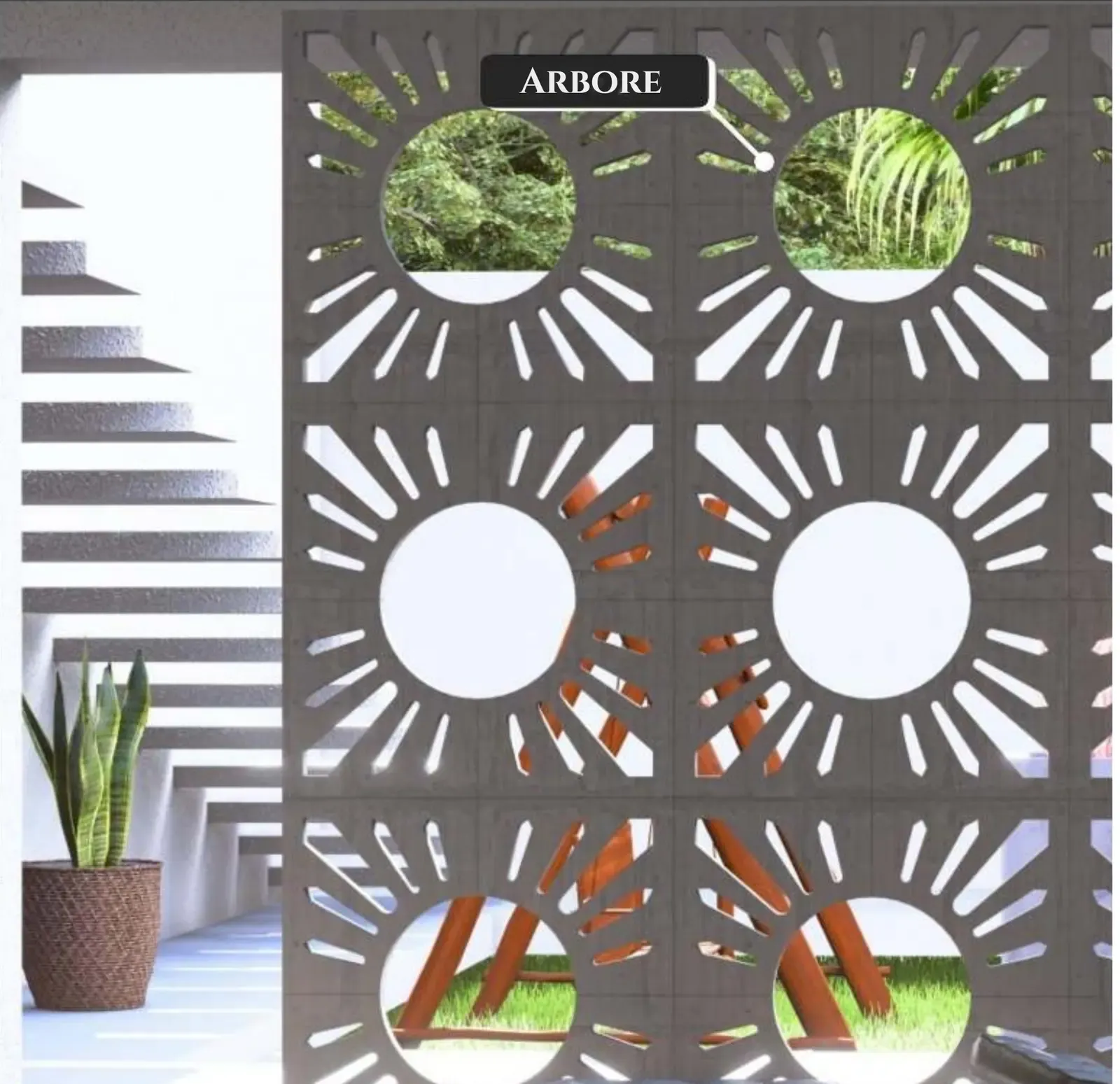
Priced per piece rather than per square foot, typically $9 to $22 each depending on pattern and size. Arbore costs the most and covers the most — at 19 11/16 inches square it's four times the area of a standard block. Send dimensions and we'll work out piece counts.
Nearly all are 3⅛ inches deep — that depth is what turns an open pattern into genuine privacy at an angle.
Z-profile that interlocks into a diagonal screen.
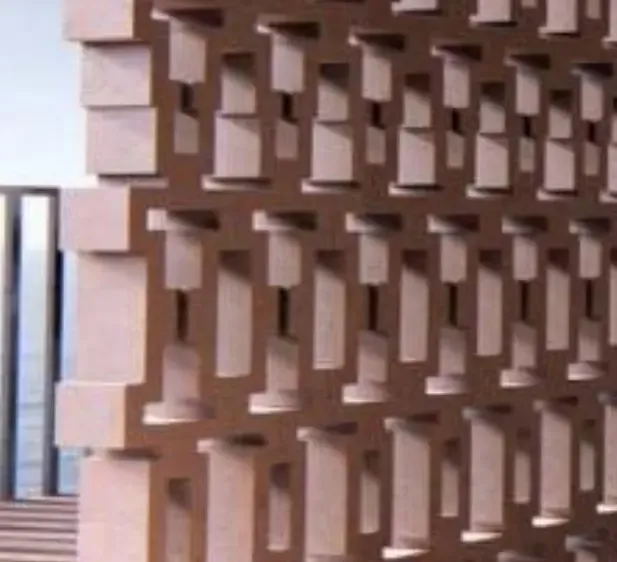
Greek-key profile for long horizontal runs.
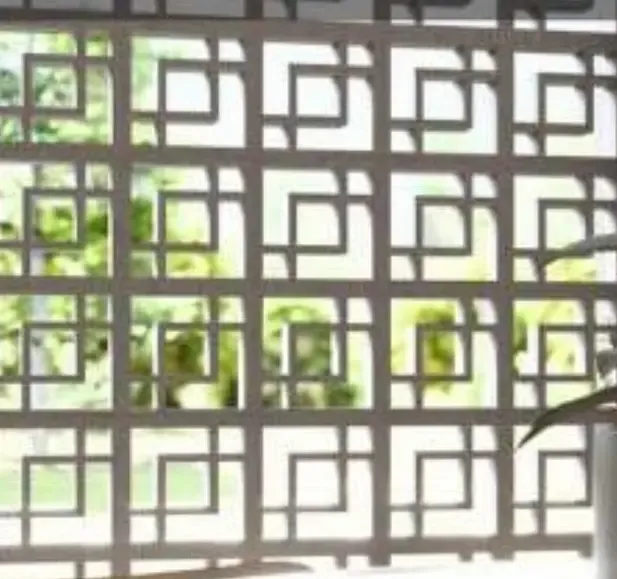
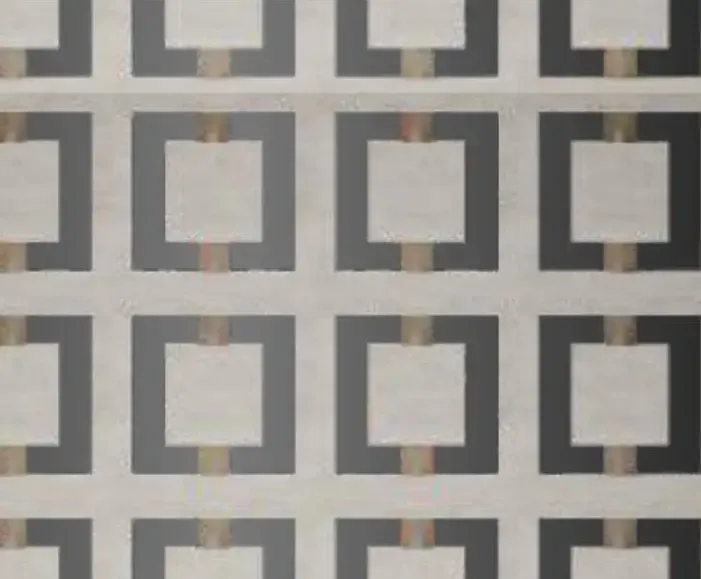
Nested squares — the most-specified lattice we make.
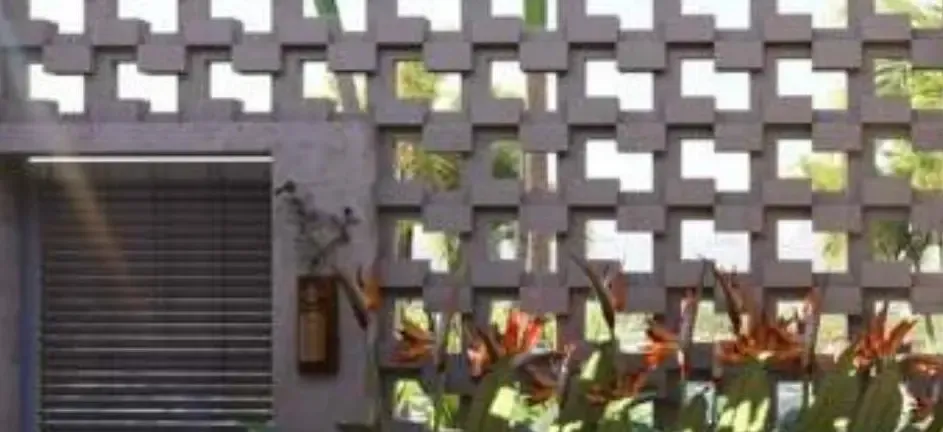
Offset rectangular void, strongly geometric.
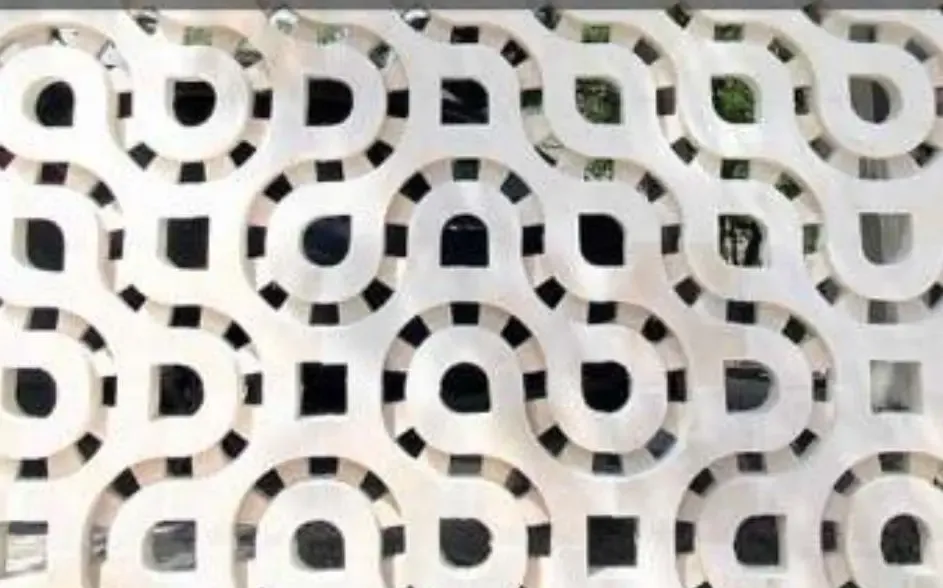
Interlocking curves that read as a continuous ribbon.
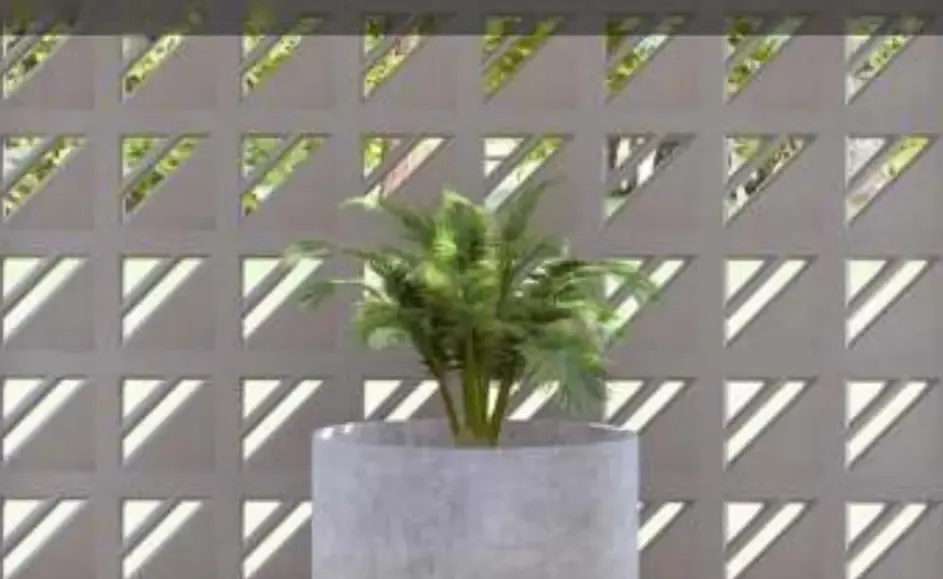
Arrow motif with a strong diagonal rhythm.
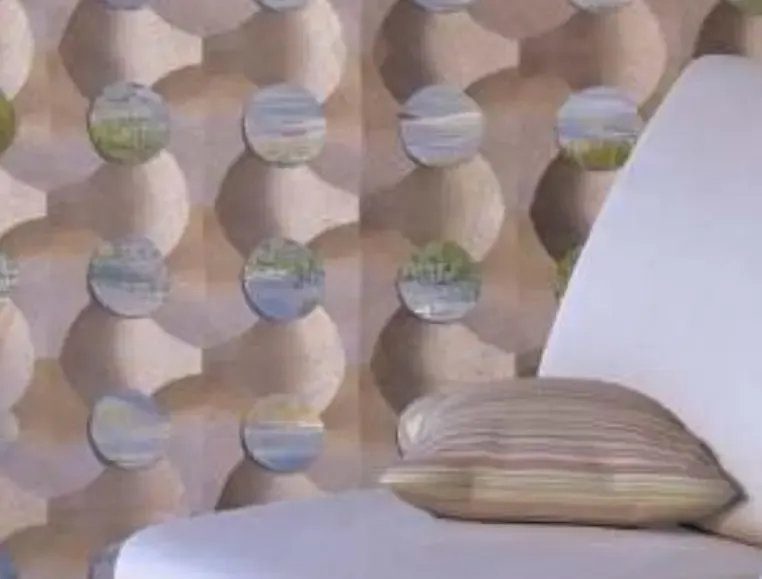
Twin-oval block, wide format.
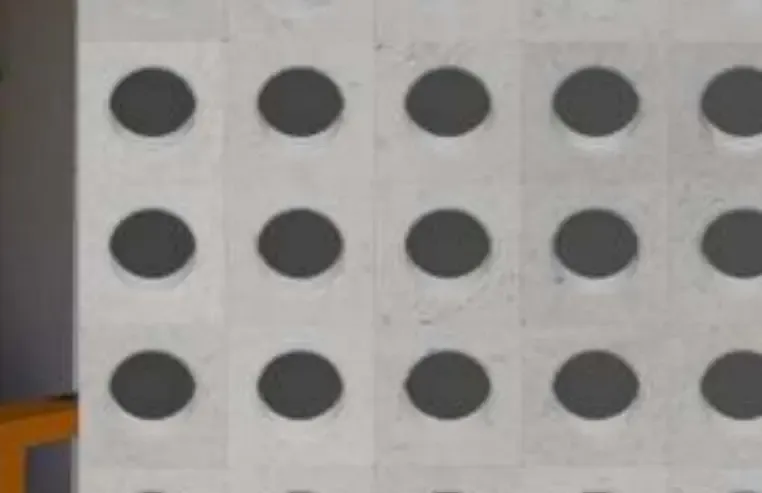
Single round eye — simple and highly repeatable.
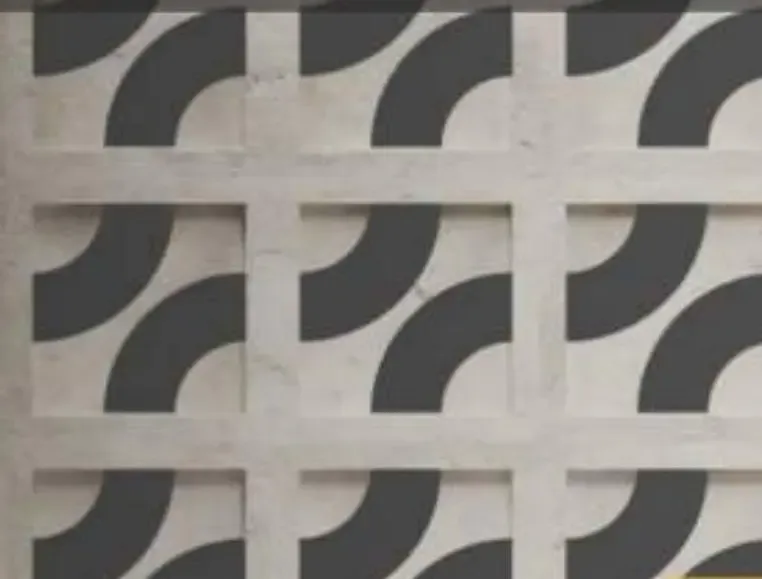
Wave void for a softer screen.
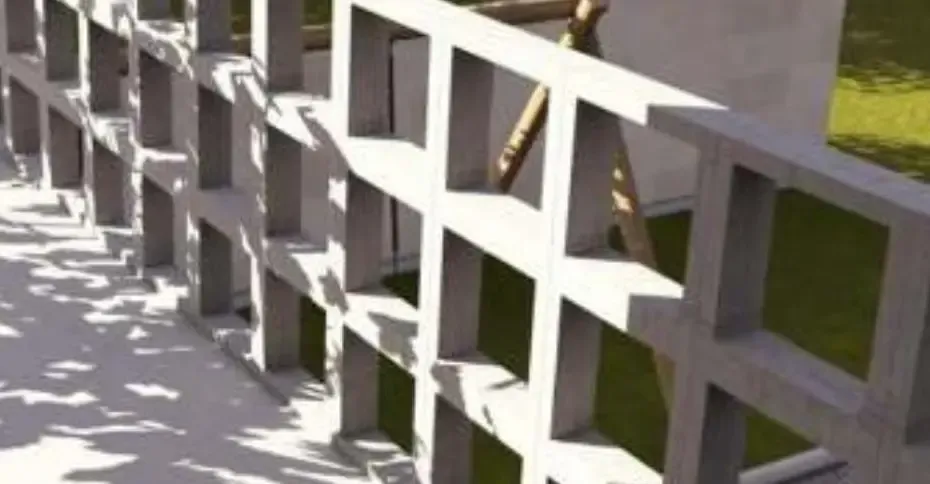
Square-in-square, clean and architectural.
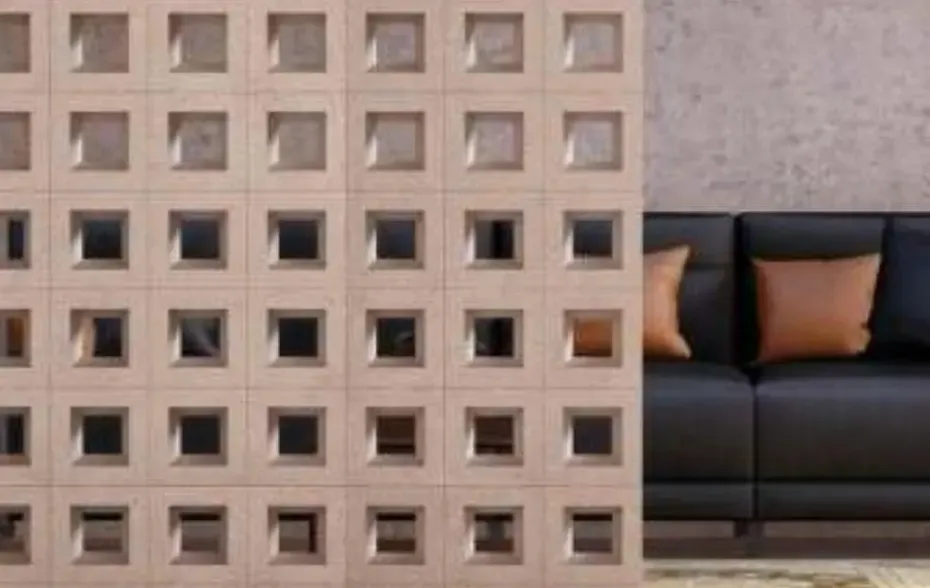
Tabula with a heavier frame and smaller void.
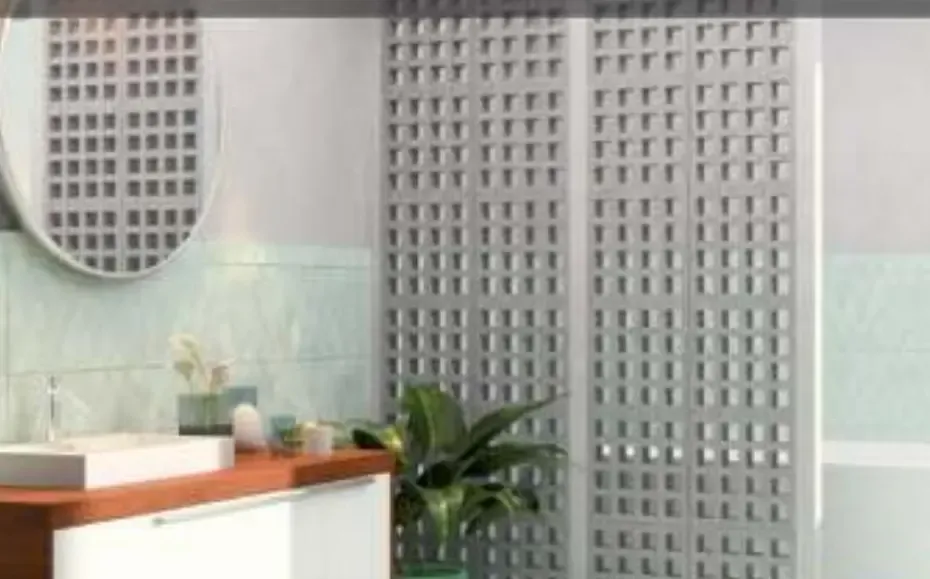
Nine-square grid — maximum airflow.
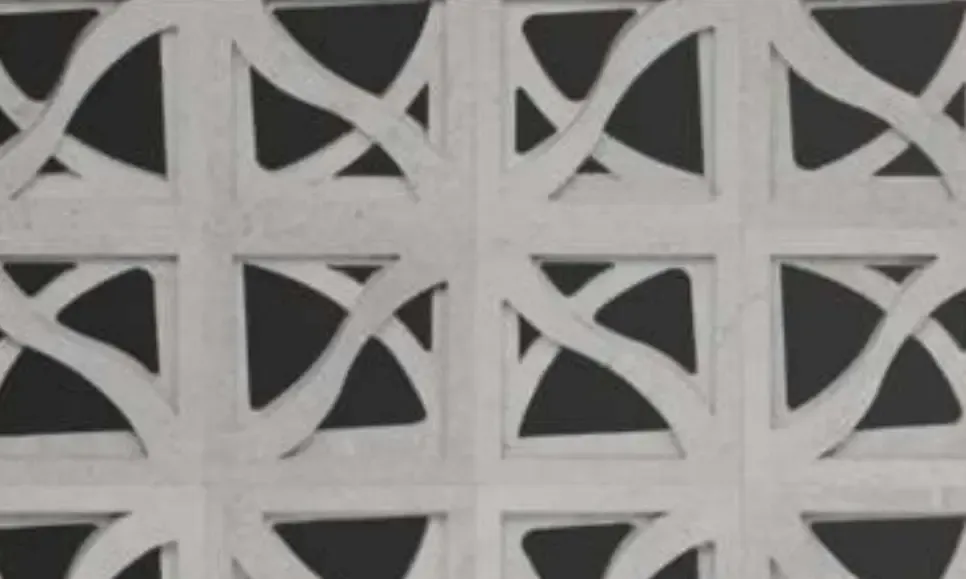
Banded cross, bold from a distance.
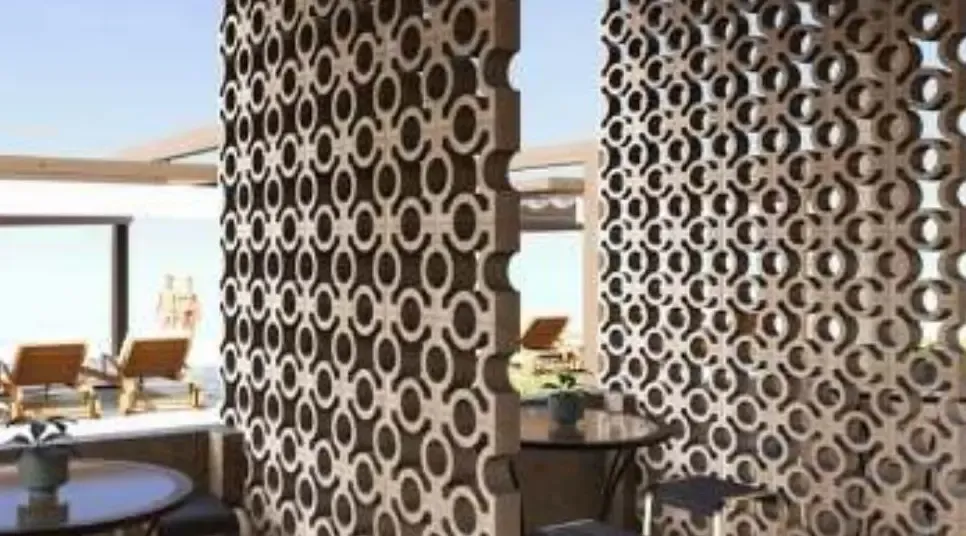
Diagonal cross void.
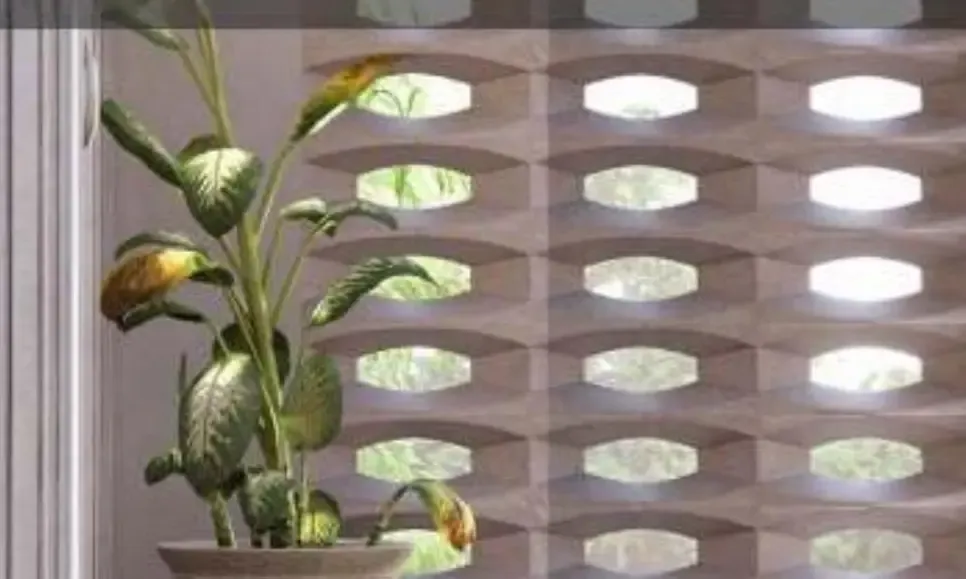
Stacked arches — the softest lattice profile.
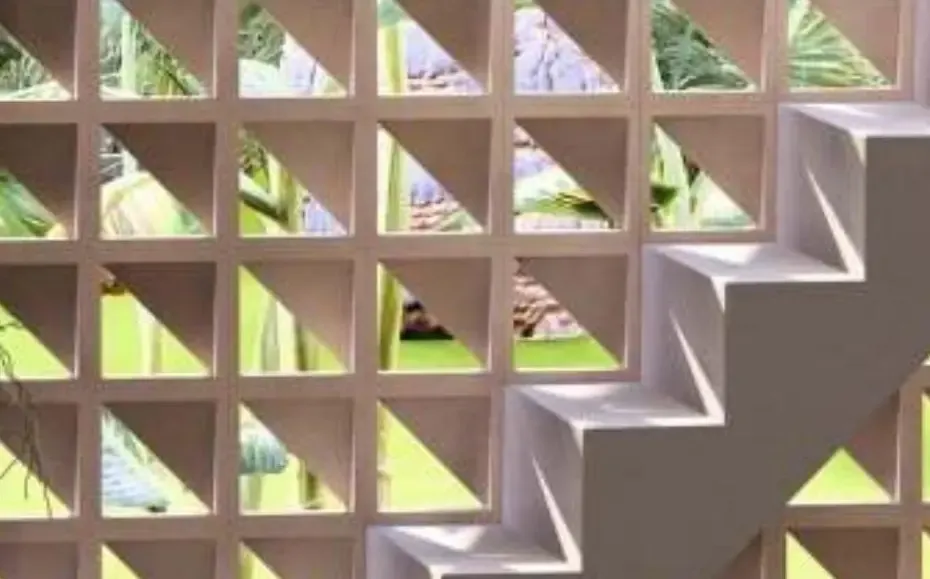
Angled window that shifts as you walk past.
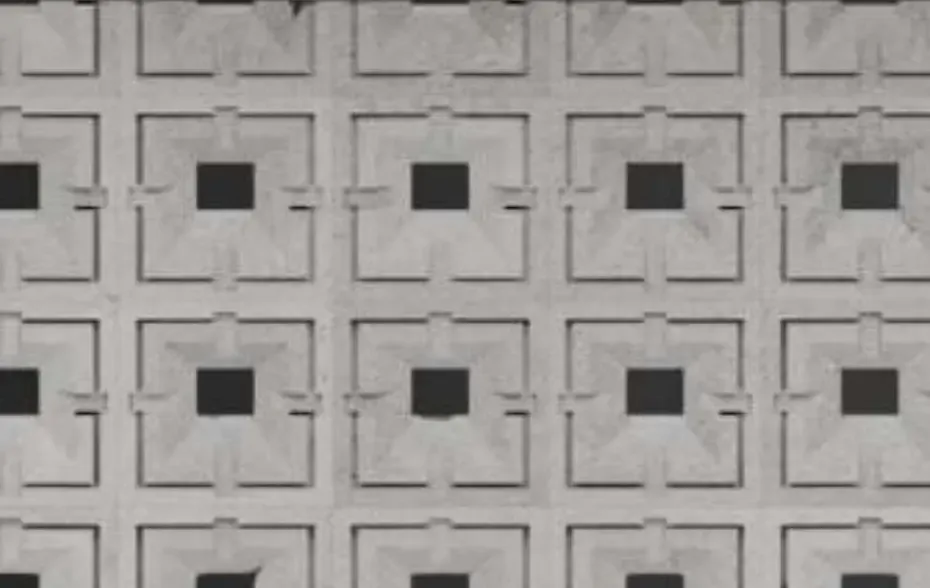
Recessed square grid with a machined edge.
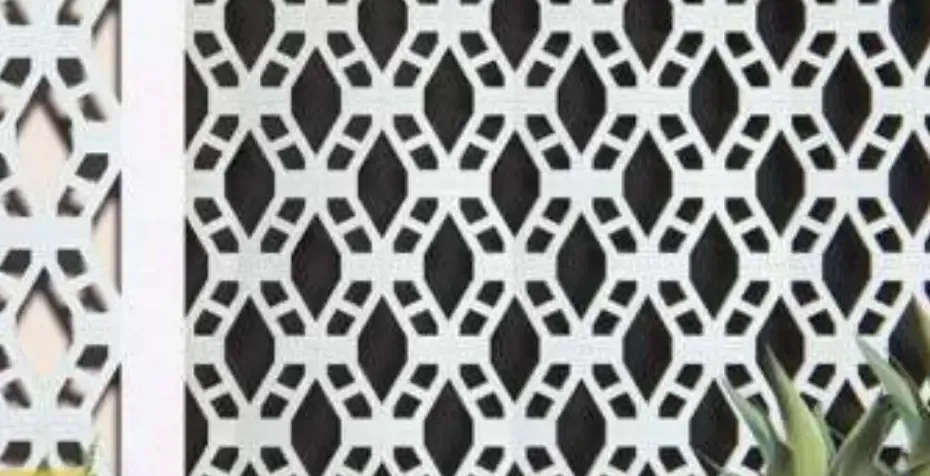
Diamond lattice with a woven read.
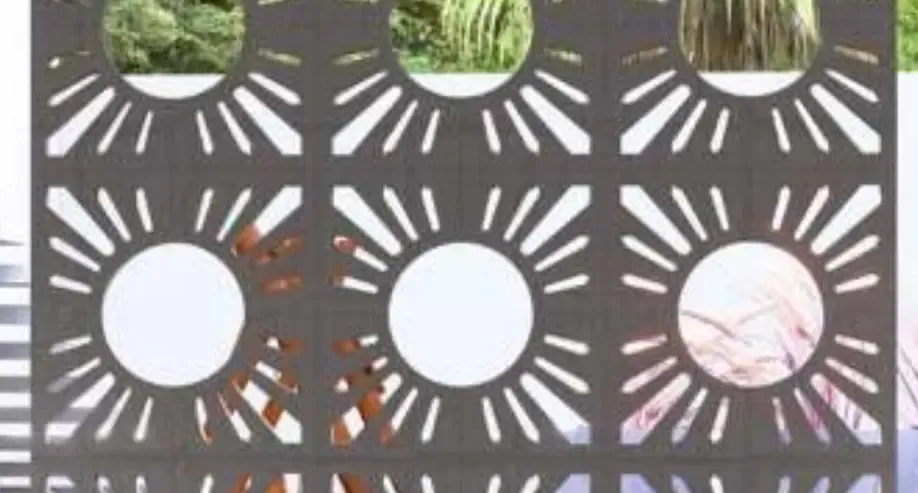
Largest lattice — a tree-canopy motif, screen-scale.
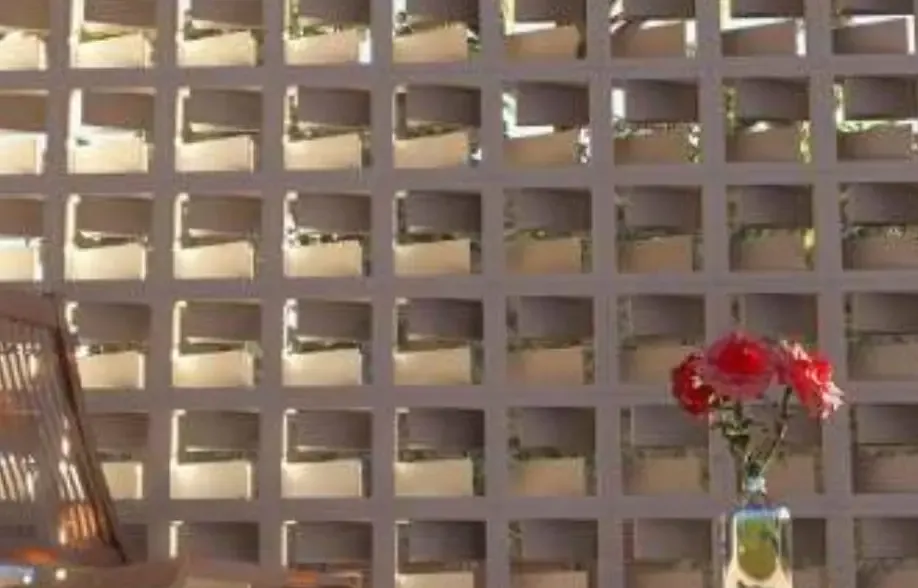
Deep coffered square.
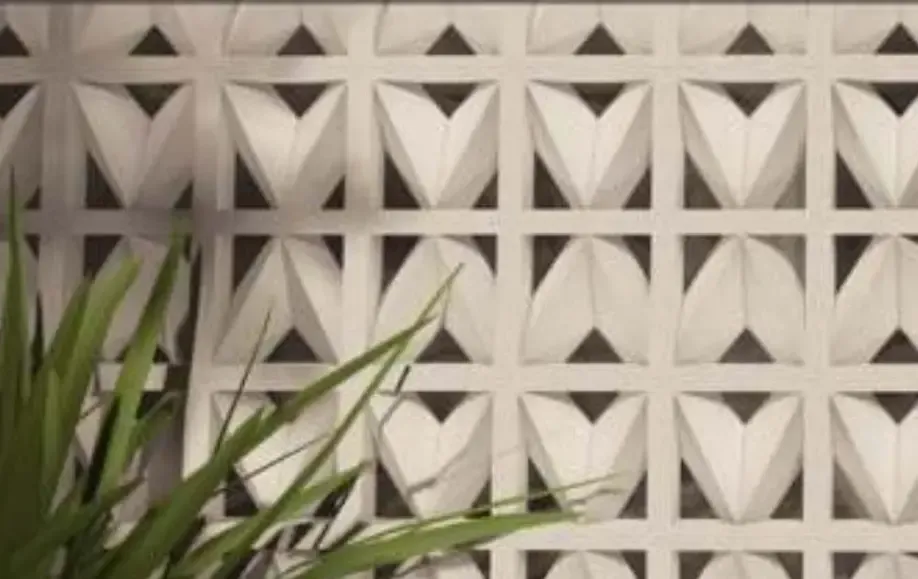
Sail-shaped void, directional.
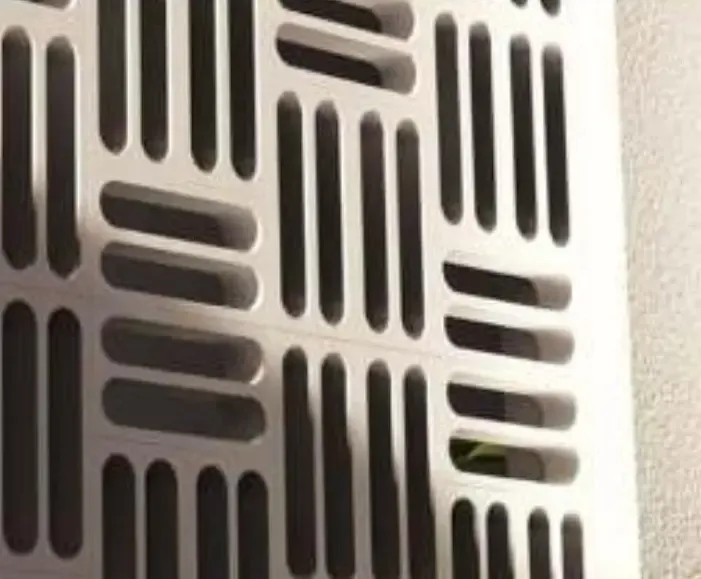
Slotted wide block — privacy with airflow.
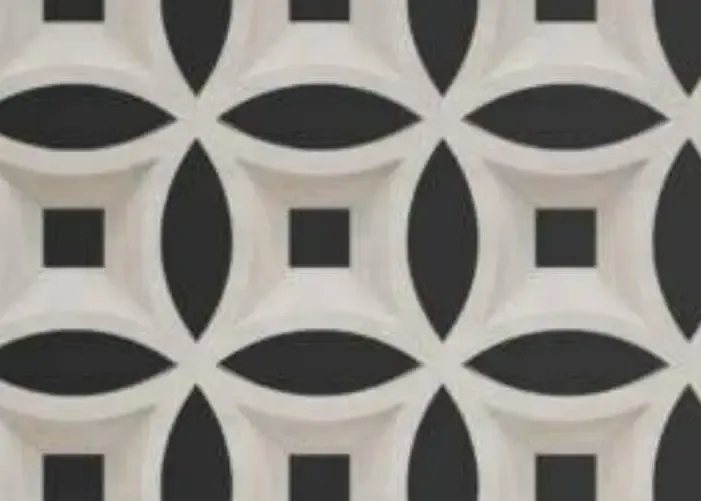
Overlapping circles, a classic breeze-block look.
Radiating sunburst void.
| Compressive strength | 200–250 kg/cm² |
|---|---|
| Body | Grey and white cement, standard and premium grades |
| Colour | Stock colourways plus custom colour matching |
| Finish | Through-coloured, sealed on request |
| Suitable substrates | CMU, poured concrete, brick, stucco, and framed walls over lath |
| Fire | Non-combustible concrete body |
| Exposure | Interior and exterior, above and below grade |
| Coastal use | Rated for salt-air exposure with a penetrating sealer |
| Standard depth | 3⅛" (Zeta and Greko are 3 15/16"; Arbore is 1 15/16") |
| Largest pattern | Arbore at 19 11/16" square |
| Installation | Laid as masonry; reinforcement required above ~6 ft |
Full spec sheets and dimensioned drawings are available for submittals — ask and they'll be emailed the same day.
The applications this range is specified for most often in South Florida.
The biggest surface on the job and the one that has to survive Miami weather. Here's what we stock for exterior elevations and how it's specified.
View details →Restaurant walls take a beating and get photographed constantly. These are the finishes that survive both.
View details →Pool environments destroy the wrong material in a season. These are the faces that hold up to continuous chlorine and salt exposure.
View details →When the wall is the point. Deep-relief panels, lattice screens, and large-format stone specified for maximum effect.
View details →Concrete panels that do the work light usually does. Fifteen relief patterns that tile seamlessly, from barely-there texture to deep architectural shadow.
View details →Not sure whether your wall wants a solid relief panel or an open lattice? This is the side-by-side comparison, with coverage, depth, and cost for both.
View details →The finishing pieces. Planters, outdoor tables, lanterns, and vessels pressed from the same high-strength mix, so the whole scheme reads as one material.
View details →Not on their own. Lattice blocks are laid up like masonry with mortar and, on anything over about six feet, steel reinforcement through the voids and a bond beam at the top. A freestanding screen wall needs engineering. A lattice infill inside an existing frame usually doesn't.
Depends on pattern and viewing angle. Straight on, an open pattern like Cuadrix shows plenty. From an angle — which is how people actually walk past — the depth of the block closes the sightline almost completely. That's the trick: 3⅛ inches of depth does the work.
Meaningfully. A lattice screen in front of a west-facing window shades the glass while letting air move through, which is exactly what breeze block was invented for in this climate before air conditioning was universal. It cuts solar gain without sealing the space.
Quadra, by a distance. Nested squares, 9 13/16 inches, clean enough to read as contemporary and geometric enough to feel intentional. Circus and Oklum are next — both rounder, both more mid-century.
Yes, and a painted lattice screen in a strong colour is one of the best-value statements in South Florida architecture. Spray rather than roll — rolling a lattice is genuinely miserable work.
Send your square footage and we'll come back with a number, a stock position, and a delivery date for Miami.