
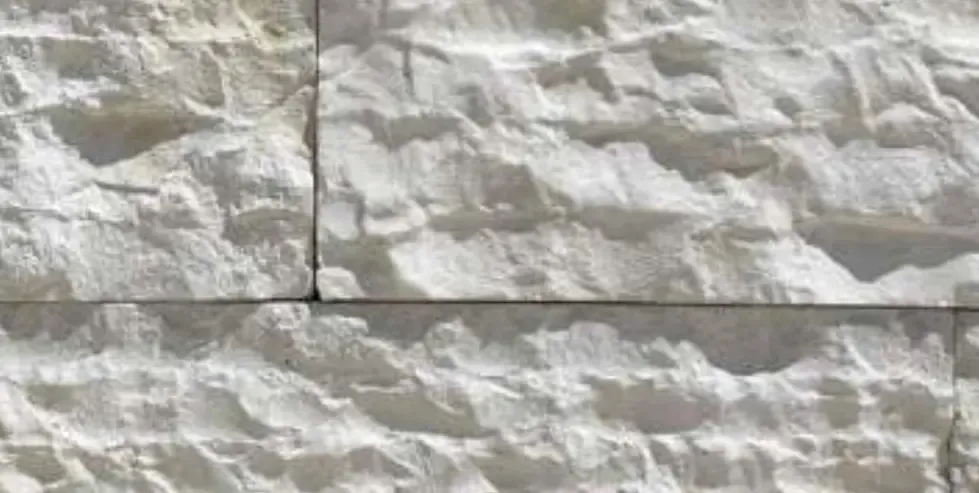
Cantera
The classic Mexican quarried look, in three lengths.
- Face sizes
-
- 23 5⁄8" × 7 7⁄8"
- 19 11⁄16" × 5 7⁄8"
- 15 3⁄4" × 3 15⁄16"
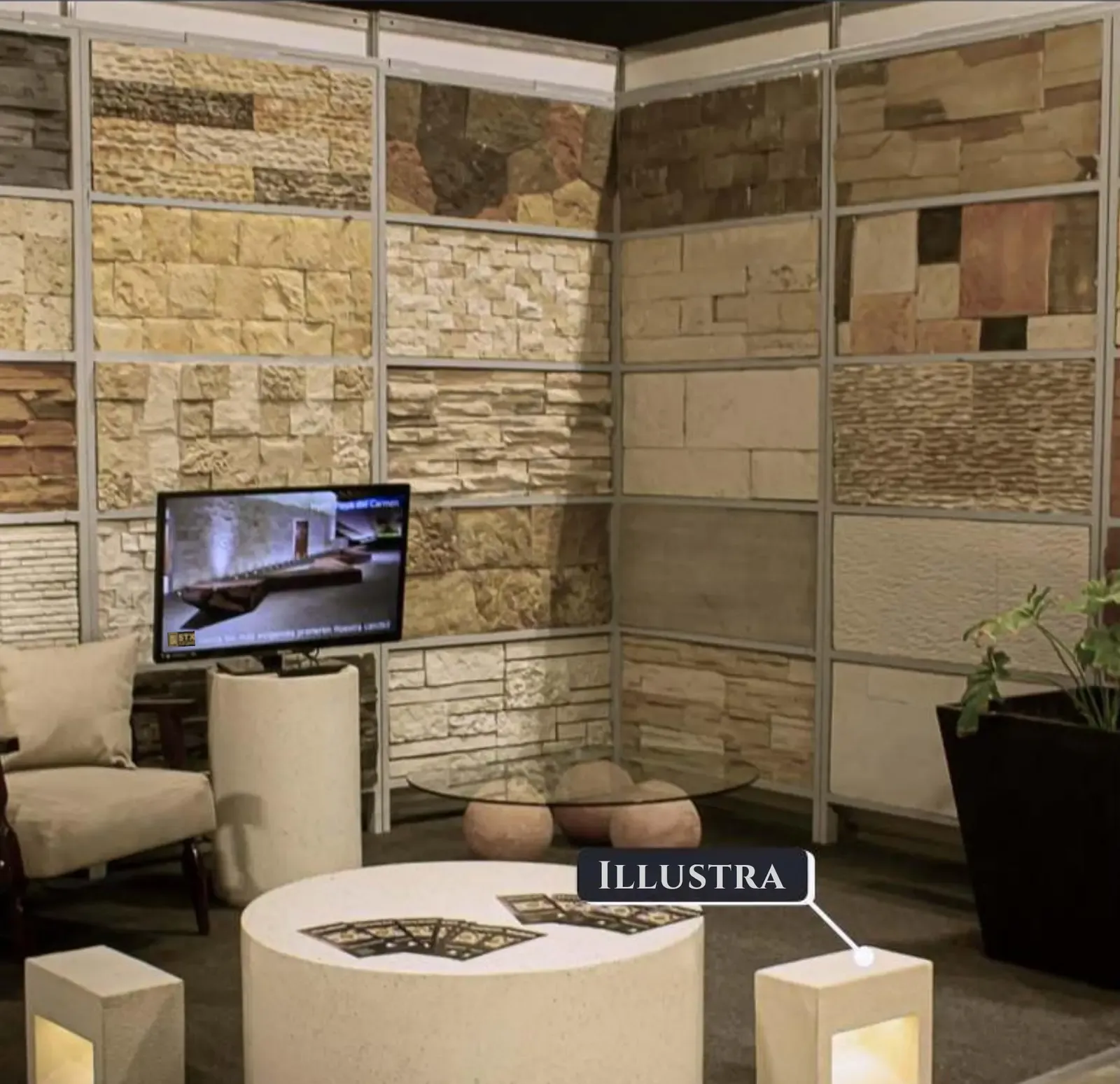
Stone Appearance
The stone of colonial Mexico, pressed in concrete — plus open-pore sandblasted faces in formats up to 47 inches.
Cantera reads as old Miami in a way almost nothing else does. Coral Gables was built on this palette, and it still sells. Miami Stone Veneer Specialists stocks three faces that share the same fine, even grain.
Real cantera is volcanic rock quarried in central Mexico. It's beautiful, and it's a genuine pain — heavy enough to need structural support, porous enough to stain if you look at it wrong, and expensive by the time it's been shipped to Florida.
Our version is pressed concrete with the colour through the body. You lose some of the geological variation. You gain a third of the weight, a fraction of the cost, and a material that doesn't need a footing. If your spec genuinely requires quarried cantera you'll need a stone importer — we only press concrete. For most projects this is the sensible answer anyway.
Worth paying attention to. After curing, the face is blasted, which opens the pores and kills the moulded sheen. Standing two feet away, it's the hardest product we sell to identify as concrete.
It also comes in the biggest formats in the whole stone range — up to 47¼ by 11 13/16 inches. Big pieces, weathered face, fast coverage. On a long hacienda-style boundary wall it's very hard to beat.
$11 to $18 per square foot, with the sandblasted face at the top of the band because of the extra process. Budget for sealer on any exterior application — an open-pore face without it will pick up algae on a north elevation.
Three faces sharing a fine, even texture. Sandblasted is the most convincing at close range.
The classic Mexican quarried look, in three lengths.
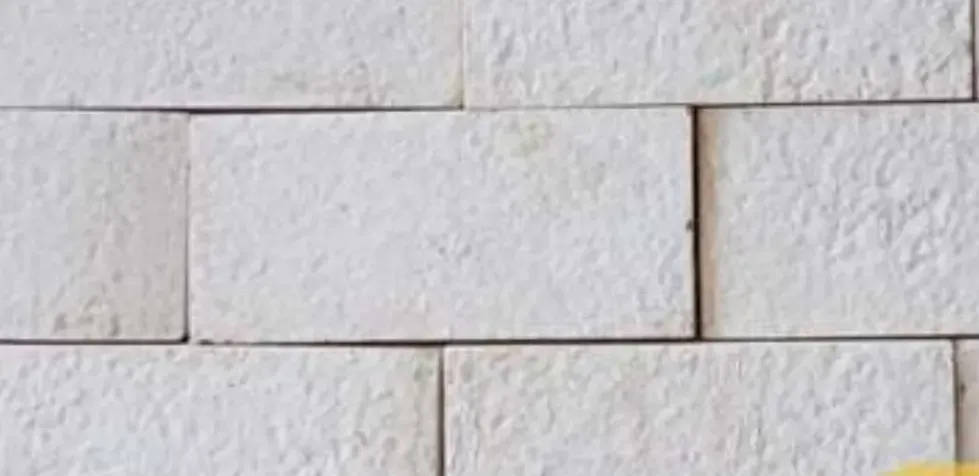
Open-pore sandblasted finish in oversized formats.
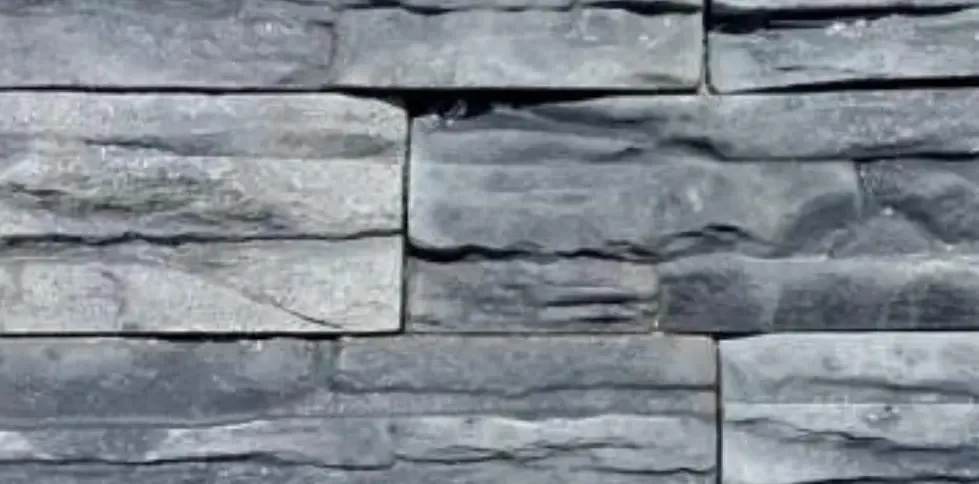
Thin dry-stack profile that lays without visible joints.
| Compressive strength | 200–250 kg/cm² |
|---|---|
| Body | Grey and white cement, standard and premium grades |
| Colour | Stock colourways plus custom colour matching |
| Finish | Through-coloured, sealed on request |
| Suitable substrates | CMU, poured concrete, brick, stucco, and framed walls over lath |
| Fire | Non-combustible concrete body |
| Exposure | Interior and exterior, above and below grade |
| Coastal use | Rated for salt-air exposure with a penetrating sealer |
| Largest format | Sandblasted at 47¼" × 11 13/16" |
| Texture | Fine and even; sandblasted variant has open pores |
Full spec sheets and dimensioned drawings are available for submittals — ask and they'll be emailed the same day.
The applications this range is specified for most often in South Florida.
The biggest surface on the job and the one that has to survive Miami weather. Here's what we stock for exterior elevations and how it's specified.
View details →Miami condo owners can't touch the exterior, so the accent wall does the work. Lightweight formats that go over drywall without structural changes.
View details →The entry is the smallest area with the biggest return. A few hundred square feet of the right stone changes the whole elevation.
View details →Columns are where cheap veneer gives itself away. Radiused pieces and tight formats wrap the corner instead of butting into it.
View details →Deep relief and heavy texture for elevations that need weight. Six-size ashlar mixes through to 24-inch quarried panels.
View details →The Mediterranean look South Florida keeps coming back to. Long, low courses in warm limestone tones, with a radiused piece for columns and curved walls.
View details →It's a concrete cantera. Quarried cantera is a volcanic stone from central Mexico, and we can source the real thing if a spec demands it — but it's heavy, porous, and expensive to ship. Our pressed version carries the colour and the open texture at a third of the weight.
The face is blasted after curing, which opens the pores and takes the sheen off. The result reads as genuinely weathered rather than moulded. It's the most convincing face in the range at close range.
Because it shares the fine, even texture. It's a thin dry-stack profile that lays with almost no visible joint, which suits the same colonial and hacienda-style projects cantera goes on.
The sandblasted face does, slightly, on exposed exterior walls. A rinse once a year handles it. Sealing helps a lot — an unsealed open-pore face in Miami will pick up algae on a shaded elevation within a couple of wet seasons.
Send your square footage and we'll come back with a number, a stock position, and a delivery date for Miami.