
Resources
How Long Does Manufactured Stone Last?
Manufacturers say fifty years. Here's what we see on real Miami walls after ten, twenty, and thirty.
By Miami Stone Veneer Specialists · Updated July 2, 2026
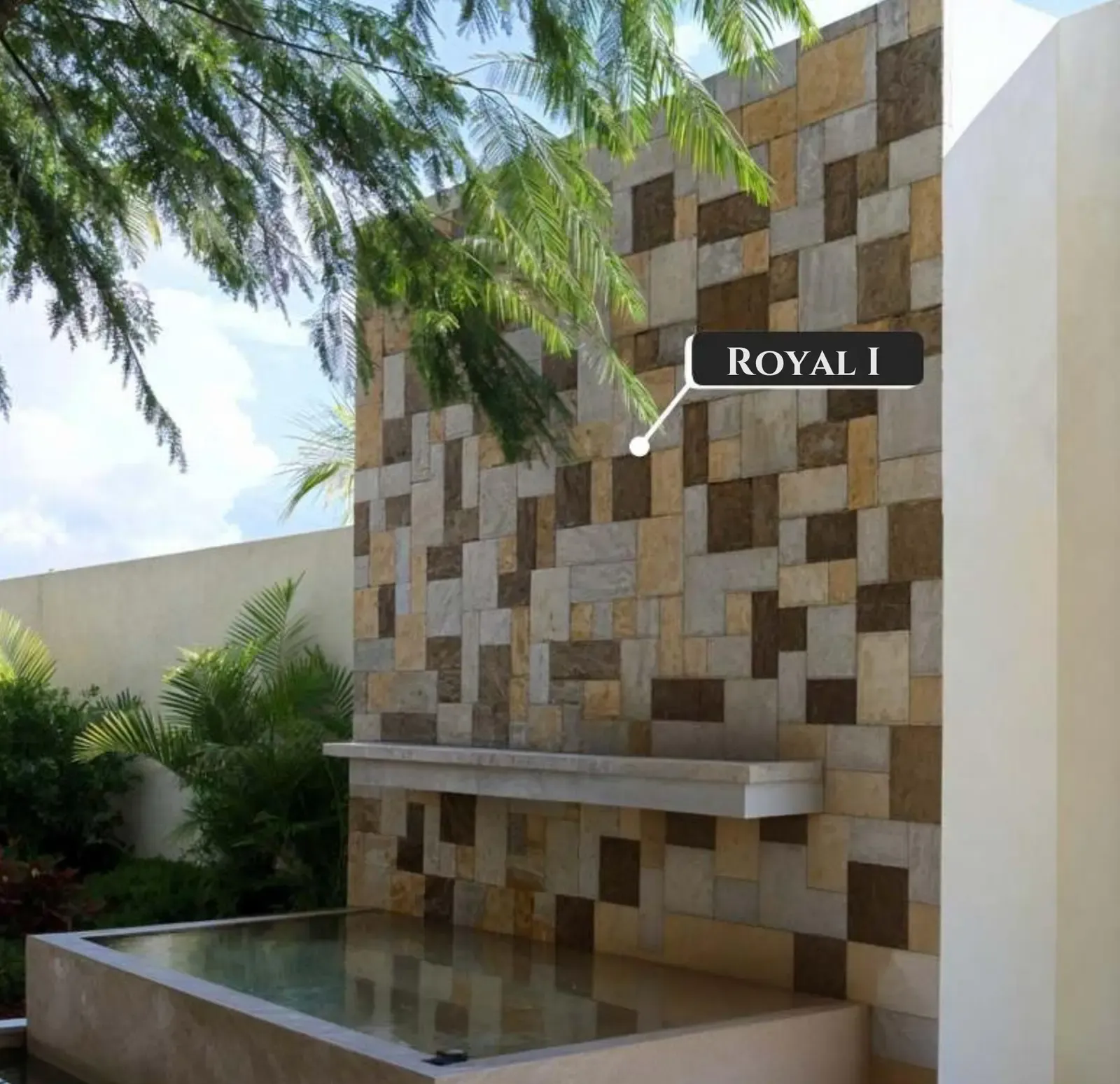
Every manufacturer says fifty years. Miami Stone Veneer Specialists has been supplying this material across Miami-Dade long enough to go back and look at walls a decade on. That's a more useful data set than a warranty document.
The honest answer
Fifty years plus, and the stone is almost never what gives up first.
The concrete body is inert. It doesn't rot, corrode, or degrade in UV once it's cured. In a lab it would sit there indefinitely.
What has a lifespan is everything around it — the sealer, the mortar joints, the lath and its fasteners, and the drainage plane behind. Those are what determine whether your wall makes fifty years or eight.
What happens at 10, 20, and 30 years
Year 10. A well-built wall looks essentially new. Colour slightly softened. Sealer wants renewing around now if it hasn't been. Joints fine.
Year 20. Colour has mellowed a little, which most people prefer. Mortar joints show wear, especially on exposed and coastal elevations — some hairline recession, occasionally a small area needing repointing. Second sealer application due. Stone itself unchanged.
Year 30. Joints are the visible age indicator. A full repoint at this stage is normal and makes the wall look close to new. We've seen 30-year installs in Coral Gables where the stone was indistinguishable from current stock and the joints were the only tell.
What actually shortens it
- Bad drainage plane. The dominant cause by a wide margin. Single-layer barrier on framed construction, water gets trapped, sheathing rots, veneer eventually detaches. Shows up year five to eight.
- Missing flashing. Window heads and roof junctions. Water enters at a point rather than diffusely, so damage concentrates and moves fast.
- Film-forming sealer. Traps vapour, blows off in sheets, and takes surface with it.
- Pressure washing. Drives water behind the face and strips sealer. A well-meaning homeowner with a rented washer can undo a decade.
- Acid washing. Etches the surface permanently. Usually applied to remove salt bloom, and it always makes things worse.
- Corroded fixings near the coast. Standard galvanised lath in salt air fails invisibly. By the time it shows, the wall is coming off.
Four of those six are maintenance mistakes made by owners rather than installers, which is genuinely good news — they're free to avoid. See maintenance.
What failure looks like
It rarely looks like stone breaking. It looks like:
- White chalky streaking below joints — efflorescence, meaning water is moving through the wall
- A hollow sound when you tap a section — the veneer has lost bond
- Dark patches on interior walls behind an exterior stone elevation
- Sealer peeling in sheets
- Mortar joints crumbling to touch
The first and third are urgent — they mean water is inside the assembly. Everything else is maintenance. If you're seeing either, get it looked at now rather than at the end of the season.